
Running a manufacturing business in Illinois already means dealing with high taxes, surging energy costs, and a growing pile of regulatory red tape. Each one makes it harder for small businesses to compete in the state. Now Springfield is writing private rights of action (PRA) into more of the laws it passes. These provisions let private attorneys sue employers directly instead of leaving enforcement to the state.
I’m the general manager of DuPage Precision Products in Aurora, a 60-employee machine shop that has been making high-tolerance parts for diesel engine and heavy equipment manufacturers since 1950. Rising business costs are putting pressure on both our company and our employees, and the risk of lawsuits is a major factor.
The problem reaches well beyond our shop. Excessive litigation costs Illinois $25.5 billion in economic output every year and 214,039 jobs. More than 17,000 of those are manufacturing jobs. Spread across everyone in the state, the cost comes to a “tort tax” of $2,004 per person.
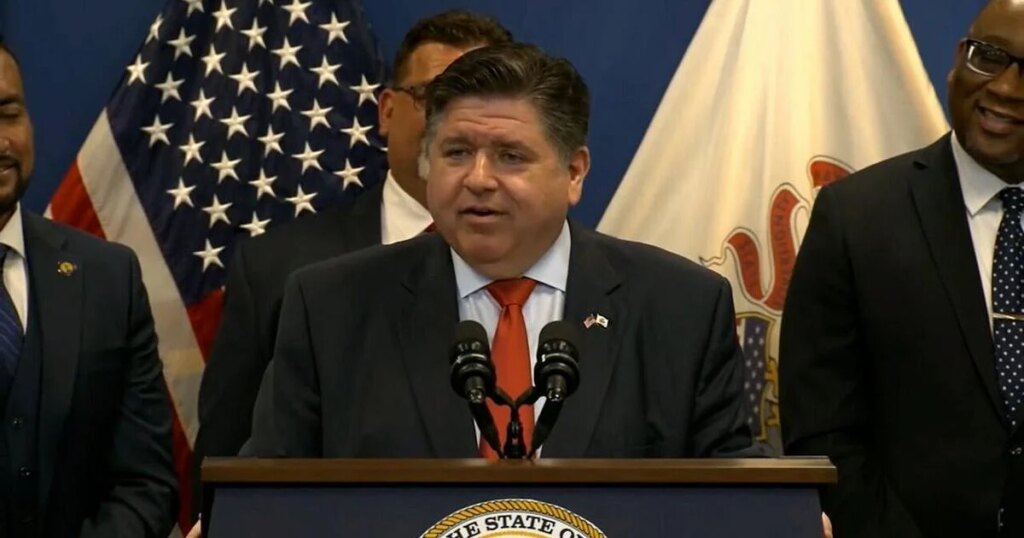
Yet trial lawyers push to add PRAs to more bills every session, and too often lawmakers go along. In 2024, they put one in a law limiting mandatory workplace meetings on political and religious topics. Last December, Gov. J.B. Pritzker signed a workplace privacy law that lets employees, along with outside nonprofits and labor groups, sue their employers.
Pritzker vetoed one of these bills in 2025, a warehouse-worker measure that included a private right of action. He said the bill lacked a fair enforcement process and a clear plan for penalties and damages. He made the right call and set a precedent for how bills with a PRA should be handled going forward. Fair enforcement shouldn’t be partisan.
Illinois has already seen what happens when a PRA goes unchecked. Lawmakers passed the Biometric Information Privacy Act in 2008 to protect people’s fingerprints and other biometric data. The law allows private attorneys to collect set damages for each violation. In 2019, the Illinois Supreme Court ruled that people could sue without showing they were harmed. Four years later, it ruled that every fingerprint scan was a separate violation. An employer that skipped a consent form could owe damages for every time a worker scanned in. In one case against White Castle, the damages at stake were estimated at $17 billion. Lawmakers fixed the per-scan rule in 2024, after years of lawsuits.
For a machine shop like ours, this kind of exposure is hard to plan for, and even harder to budget for. Taxes and energy bills already stretch our books, and even a lawsuit we eventually win can drain money we’d rather spend on our people and equipment. Our employees feel the impact too: they face the same taxes and electric bills at home, while higher legal costs leave less room for raises and new hires.
Lawmakers can protect workers and consumers and still write fair enforcement rules. Before anyone collects damages, they should have to show they were harmed. A business that makes an honest mistake should get a chance to fix it before it gets sued. Damages need reasonable limits, so the stiffest penalties go to serious misconduct. If a state agency can enforce a law, legislators can leave the private right of action out. They did that this summer in an artificial intelligence safety law the governor signed, and this should be the standard.
A new General Assembly takes office in January, and trial lawyers will keep asking for new ways to sue. Legislators should remember that employers and workers in their districts end up paying for those lawsuits. If Springfield wants manufacturers to keep building here, it has to stop stacking new costs on top of the ones we already carry.