How to Start a Successful Home-Based Farm Stand and Market Garden Business in Clinton County, Illinois
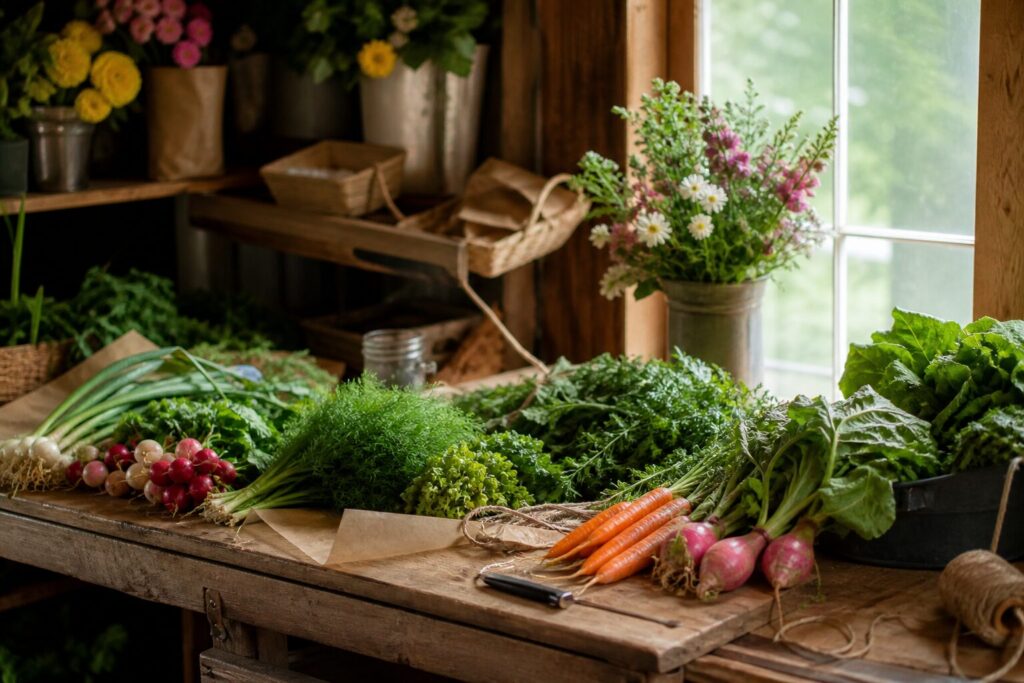
Starting a Home-Based Farm Stand and Market Garden in Clinton County
Clinton County’s rural charm and small-town atmosphere make it an ideal place to start a home-based farm stand and market garden business. Whether you’re near Breese, Carlyle, or one of the other friendly communities, the area’s agricultural heritage and local appreciation for fresh, seasonal produce create a natural customer base for growers willing to bring farm-fresh goods right to their neighbors’ doorsteps. This type of business can fit well with family life and provide a flexible way to earn income from the land you care for.
Finding Local Customers
Success depends on connecting with your local community. Your primary customers will likely include residents of Clinton County who appreciate homegrown fruits, vegetables, and herbs. Here are some common ways to find them:
- Word of mouth: Let family, friends, and neighbors know about your farm stand. Personal recommendations carry a lot of weight in small communities.
- Local Facebook groups: Many towns in Clinton County have active community pages where you can share postings and updates about your produce.
- Farmers markets: Participating in farmers markets, such as those in Breese or Carlyle, can help you build visibility and a loyal customer base.
- Churches and schools: Community institutions often welcome local vendors for special events or bulletin announcements.
- Community events: Seasonal fairs, festivals, or even youth sports gatherings provide opportunities to sell and promote your stand.
Getting Started: Skills, Equipment, and Costs
Before setting up your market garden and farm stand, consider what you’ll need:
- Skills: Basic gardening know-how, the ability to identify pests and diseases, and general business management skills will help you thrive. Experience with growing vegetables, herbs, or fruits suited to Clinton County’s climate is essential.
- Land and garden space: Even a quarter-acre can be enough for a small market garden if carefully planned.
- Equipment: Common tools include hand tools (shovels, hoes, pruners), watering systems (hoses, drip irrigation), and possibly a small greenhouse or cold frame for season extension.
- Farm stand setup: This could be as simple as a small shed or canopy with tables and signage to attract customers.
Estimated Startup Costs (rough estimates):
- Seeds and seedlings: $100–$300
- Tools and supplies: $300–$700
- Farm stand materials (tables, canopy, signs): $200–$600
- Watering system: $100–$500
The total could range from approximately $700 to $2,100 depending on how much equipment you already own and the scale of your operation. Starting small and expanding as you grow is a practical approach.
Pricing and Earning Steady Income
Pricing should cover your costs and labor while staying competitive with local markets. Visit farmers markets and stores nearby to get a sense of prices for fresh produce. Common pricing methods include:
- Per pound or item pricing: For vegetables like tomatoes, cucumbers, or peppers.
- Bundle deals: Offering mixed bags of produce at a set price encourages customers to try more variety.
- Seasonal pricing: Early-season or specialty items may command a premium.
Consistency is key to steady income. Consider maintaining regular hours at your farm stand and staying active on community groups to remind customers you’re open. Offering a range of products through the growing season helps keep customers coming back. Also, think about loyalty programs or accepting electronic payments to convenience buyers.
Legal and Regulatory Basics in Illinois
Before selling, make sure to follow the necessary legal steps:
- Business Name: If operating under a name other than your own, register the assumed name (DBA) with the Clinton County Clerk’s office.
- Business Structure: Decide whether to run your business as a sole proprietorship or consider forming an LLC for personal liability protection.
- Tax Registration: If you sell taxable goods, you’ll need to register with the Illinois Department of Revenue to collect and remit sales tax.
- Zoning: Check with your city or village zoning department to confirm home-based business rules and whether a farm stand is permitted on your property.
- Insurance: Look into liability insurance to protect your business and property.
- Health and Licenses: Depending on what you sell (for example, cut produce vs. baked goods), you may need permits or health department approval. Contact your local health department or Illinois Department of Public Health to find out specific requirements.
Because rules can vary by locality and change over time, it’s important to verify details with the agencies involved before starting.
Tips for Success
- Start small: Focus on a few crops you do well to keep labor manageable and build customer trust.
- Keep quality high: Freshness and good appearance encourage repeat buyers and positive word-of-mouth.
- Stay connected: Engage regularly with your community through social media, events, and neighbors.
- Plan for seasonality: Extend your selling season with cold frames, hoop houses, or by offering preserved items like jams.
- Keep records: Track your expenses, sales, and customer preferences to understand your business better and identify areas to improve.
A Rewarding Venture for Clinton County Farmers
Starting a farm stand and market garden from your home in Clinton County can be both fulfilling and practical. It offers a way to grow your own food, share with your community, and build a steady income with a flexible schedule. With attention to planning, legal steps, and connection to local customers, your home-based business can take root here in the friendly towns and farming neighborhoods that make this county special.
This article is general information, not legal or tax advice. Rules and fees change, so check with the appropriate agency before you start.
Run a home business in Clinton County? Share your story and we may feature you. New to the idea? Start with our step-by-step checklist.