(The Center Square) – The National Weather Service has confirmed a record 149 tornadoes have touched down in Illinois this year, but who ends up paying the cost for damage often remains unclear.
Those costs can be spread out between residents, governments, businesses and insurance companies.
Illinois Gov. J.B. Pritzker on Monday discussed the impacts of recent storms, one of which resulted in two deaths. He also talked bout where the state’s stands in addressing damage.
Pritzker didn’t count out the potential for the state to request federal assistance for storm damage, but was hesitant to say if or when the state might apply.
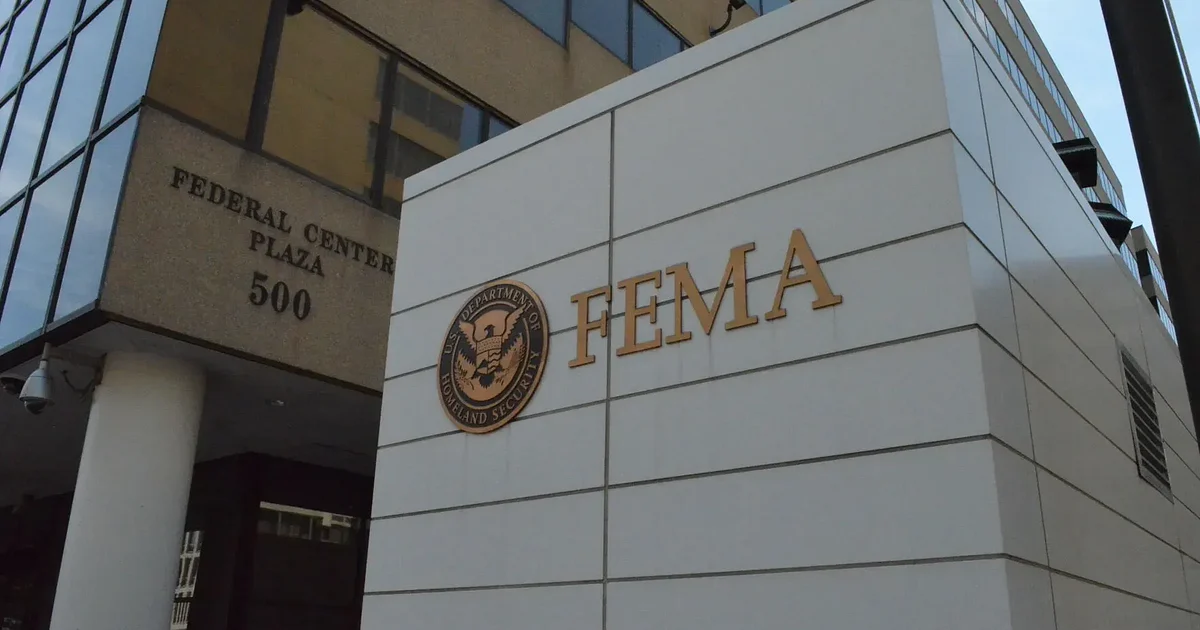
“FEMA is a mess. The Federal Emergency Management Agency, they’ve cut back significantly on the support that they give when there are emergencies. They are slow in responding with the dollars that they promise. And there are only so many dollars that a state has for what should be covered,” Pritzker said.
The governor noted that because many damaging storms this season have been recent, the state is still in the preliminary stages of sorting out the costs of damage, but a county-wide disaster declaration would need to be sent his way before the state could request federal assistance.
“Then we gather up the costs of recovery and submit that to FEMA hoping that we can meet the threshold and get a response that’s favorable for people who live in the area,” Pritzker said.
FEMA funds have been denied to many Democrat-run states under President Donald Trump’s second term, including Illinois.
In February, state officials announced that the federal government denied a major disaster declaration request and a subsequent appeal, which would have allowed thousands of residents to apply for federal assistance after a major storm produced damage across five counties last August.
A separate source of federal relief less discussed is the Small Business Administration, which more often assists in areas impacted by storms, typically through low-interest loans to businesses and homeowners to help pay for the rebuilding costs of damaged property.
Brad Cole, director of the Illinois Municipal League, told The Center Square that one of the best ways local governments can secure assistance from higher levels of government is to keep clear records and document every dollar as it is spent to ensure the application process goes smoothly.
“A lot of things are covered by insurance, whether it’s private insurance or the city government’s insurance. So that will settle itself out. That gets sorted out later. But the real cost of things is in the overtime, the extra labor, whether that’s public works, or first responders like fire and police,” Cole said.
Cole also said one cost that isn’t very troublesome for taxpayers is impacts on insurance rates for local governments. The IML itself insures around 60 to 65% of all municipalities in Illinois, Cole said.
“We come in and our goal is to keep their rates down and to provide the high-level of service that they need,” Cole said. “We don’t see a lot of the cost increases being passed on – or we certainly don’t do it ourselves because it’s based on good days and bad days.”
Alex Erwin, a meteorologist with the National Weather Service’s Central Illinois office, said the impact and damage of storms can vary widely, depending on intensity.
He also mentioned the uptick in the number of tornadoes might not be entirely as significant, as the cause could have other reasons beyond a result of weather trend shifts.
“I do think one, or maybe multiple, factors is the uptick in trained [storm] spotters and chasers that are out documenting these storms, that’s certainly contributing to our ability to verify more tornadoes,” Erwin said.
The meteorologist said the use of new and improved technologies, such as damage surveying through satellite imagery, may also be among the reasons for the record number of reported tornadoes this year.