
(The Center Square) – After more than two years, a back and forth over a state law between credit card processors and retailers could be nearing an end.
That end could lower prices for consumers and allow the state to capture all of the sales tax already paid by taxpayers, according to retail groups.
A coalition of national and statewide retail organizations are challenging federal rules that stopped the state law banning credit card processors from collecting fees on taxes and tips in card transactions.
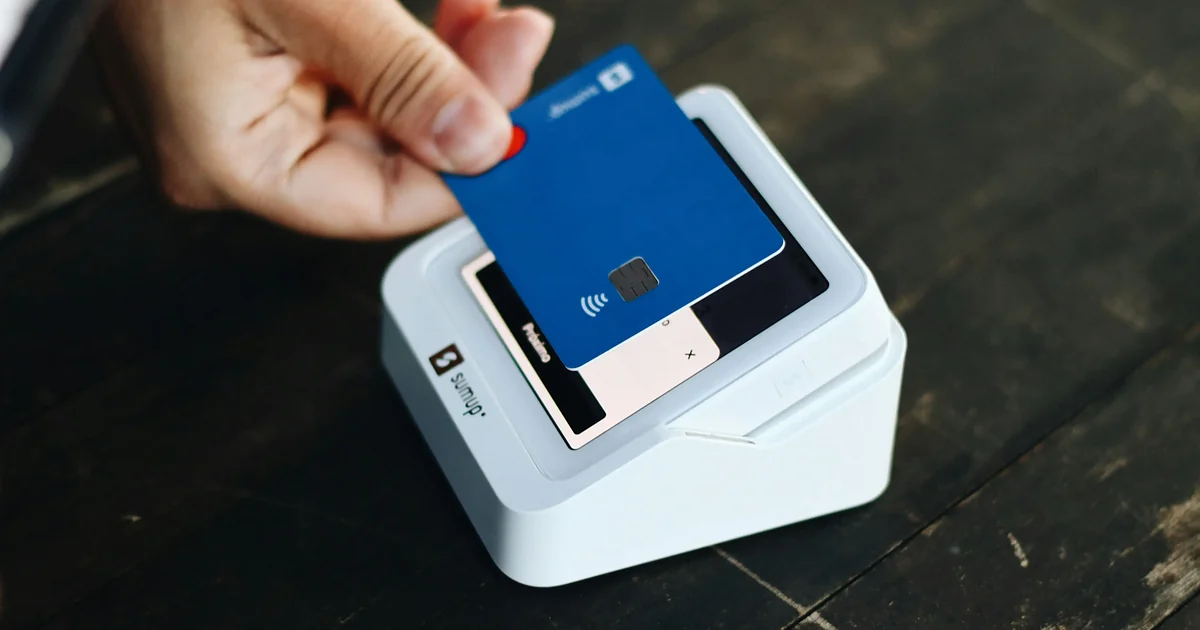
Illinois’ 2024 Interchange Fee Prohibition Act, commonly referred to as the swipe fee, bans credit card processors from charging processing fees on parts of a transaction that aren’t going to the business conducting the sale, such as sales tax and tips going directly to employees.
Rob Karr, president and CEO of the Illinois Retail Merchants Association, explained the legal back and forth over the law’s legality led to federal regulators determining that the Illinois law was superseded by federal law, which he contested.
“The Office of the Comptroller of Currency has issued a retroactive rule, claiming that the state law is preempted. The problem with their approach is that the Congress never changed the law. So this is a federal bureaucracy trying to rewrite law,” Karr said.
While the removal of the processing fee is small on a per-transaction basis – often only a few cents – the statewide impact would mean the entire amount of tax paid by consumers would actually go to the state.
Estimates project the ban would generate $200 million annually for the state if it takes effect, though it’s been delayed twice and is now scheduled for July 1.
Bankers and credit union groups challenged the law in federal court, and the U.S. Office of the Comptroller of the Currency moved in April to partially block the law.
According to Karr, card processing fees are one of the few things that drive prices up that could be directly lowered to make retail shopping more affordable.
“That helps retailers continue to try to keep prices under control. Other things drive prices, most of the prices are outside of the control of the retailer. But removing these types of components help consumers save money,” Karr said. “They do add up and they are 10 times the rates that the credit card companies charge in Europe.”
Karr said they had no choice but to take their fight to federal court, and he hopes the coalition can win the case so the law can take effect next summer to capture more revenue for the state without raising the rates taxpayers are already paying.
“They’ve spent $12 million plus trying to repeal the law. They have convinced an alleged regulator to try to rewrite the law retroactively. So, we have no choice but to go to the courts and hopefully be successful in trying to control the costs for everyone,” Karr said.
The lawsuit argues that between Visa and Mastercard, the two largest card processing companies, over 80% of all transactions occur within their network.
With both supporters and opponents of the law appealing court decisions to the 7th U.S. Circuit Court of Appeals, arguments from both sides are expected to be heard by February, according to court records.