
(The Center Square) – One part of Chicago’s newly-proposed budget under consideration by the city council is a new per-employee tax on some businesses in the city, which local business interests say is a disincentive and the wrong way to bring growth and affordability to the city.
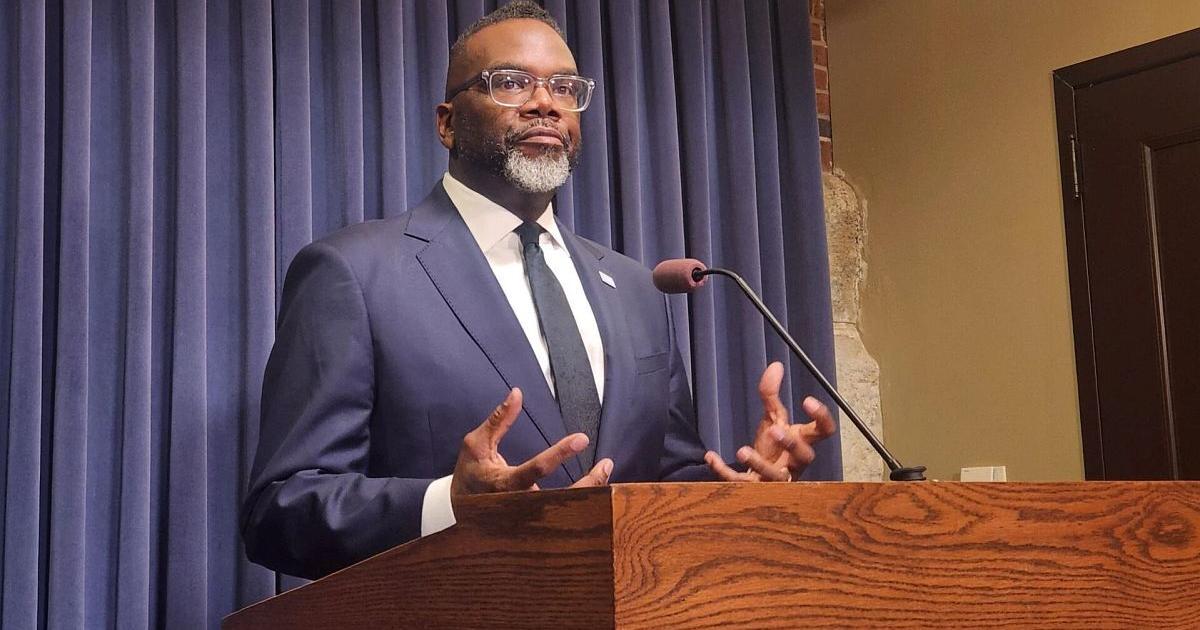
Among Chicago Mayor Brandon Johnson’s proposed $17.6 billion budget is a $25-per-employee monthly tax on large businesses outside of disadvantaged areas, the Equitable Employer Tax, which the mayor’s office said would bring in an estimated $113.8 million.
The tax would fall on companies with 125 full-time employees or more. Johnson’s budget says that it would impact 3% of the city’s registered businesses – which Johnson characterized as taxing “big corporations.”
Jack Lavin, president and CEO of the Chicago Area Chamber of Commerce, said the tax wouldn’t just impact big corporations.
“Eli’s Cheesecake employs over 125 people, you know, Friedman Seating, these are all companies on the west side of Chicago. I mean, these are companies that have 125 employees, they are not big corporations,” Lavin said. “It gets back to the fundamental thing. We believe in a united business community we cannot tax our way to growth.”
Johnson told constituents Thursday that the “head tax” won’t drive businesses out of the city, but instead would allow the city to provide and improve public services that will help residents to stay in the city.
“There’s greater evidence of life being lost and people being pushed out of this city because of our inability to tax the rich and big corporations than this fictitious notion that somehow by taxing corporations is going to cause them to leave,” Johnson said.” “No, no corporation is leaving Chicago.”
Last month, a group of 29 Chicago aldermen told the mayor they would work on a budget that includes no head tax or tax on employers, after the proposal was already rejected by a majority of the council last year.
Lavin echoes the same issues opposition to the tax had last year.
“A year ago you had a task force of the mayor’s, business and civic leaders and a consulting company hired to look at cost reforms. So where are those cost reforms? We haven’t seen them. All we see are more taxes,” Lavin said.
Johnson said there are exceptions to the tax so many businesses that aren’t major corporations would be exempt from it.
“What this revenue source does, it obviously works to fund the critical services that everybody agrees upon, but if your business is less than 125 employees, you’re exempt from the equitable employers’ tax,” Johnson said.
He also said that if employees work more than 50% in disadvantaged areas, like in parts of the South and West sides, those employees would make businesses eligible for a tax credit in addition to being exempt.
Lavin said it isn’t just top corporations in the city that would be hit with the tax, even with the exemptions.
“They say large corporations, but it’s not large corporations. It’s everyday businesses in Chicago that are going to pay this tax and then that either leads to higher cost for consumers or less jobs for residents of Chicago,” Lavin said.
The majority of revenue brought in by the tax would come from the largest employers in the city, meaning small portions of the total expected revenue could be foregone if the 125 employee figure were raised.
Jim Talamonti contributed to this story