(The Center Square) – At the Illinois State Fair this week, controversy surrounding ethics, transparency and complaints against lawmakers followed politicians from the State Capitol to the state fairgrounds just 3 miles north.
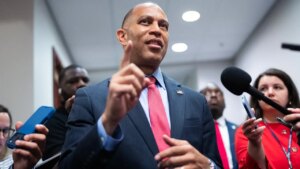
A “workplace culture and accountability” working group was created by House Speaker Emanuel “Chris” Welch in response to issues of sexual harassment by former member Rep. Harry Benton.
Following the investigation and resignation of Benton this summer, Welch faced scrutiny both from his caucus and across the aisle over his handling of early complaints of sexual harassment by Benton, and his financial support for Benton’s previous reelection campaign thereafter.
A third member, state Rep. Tracy Katz Muhl, D-Northbrook, has publicly withdrawn from participating in the group.
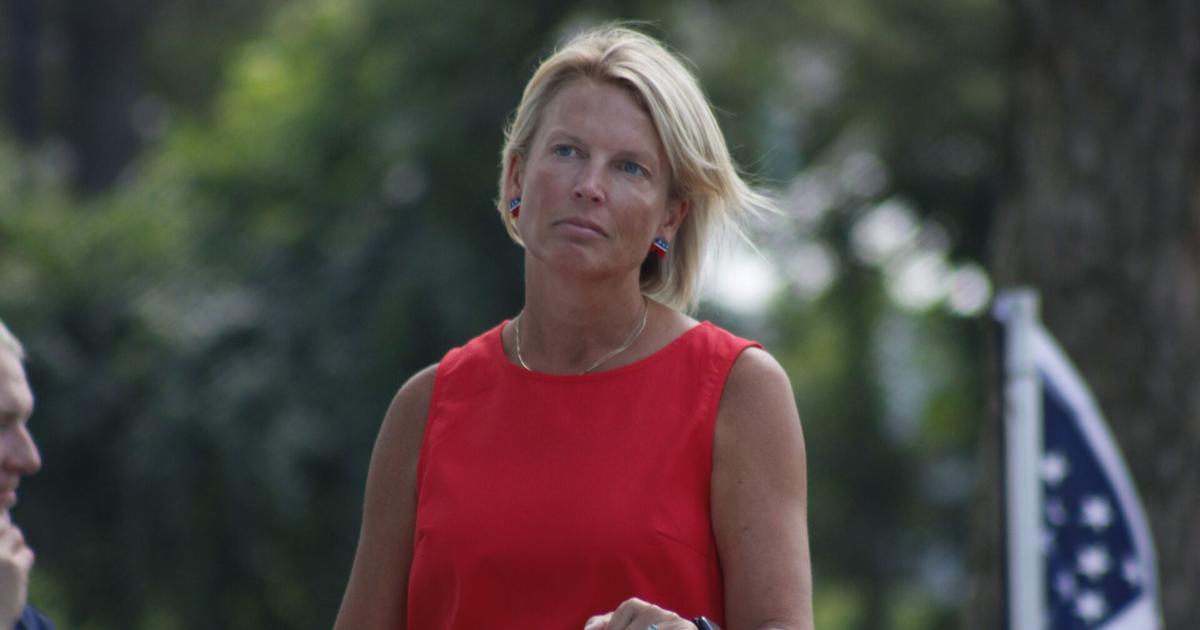
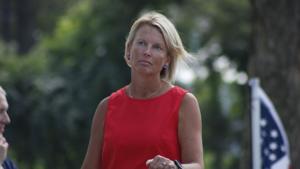
House Minority Leader Tony McCombie at a Republican Day event at the State Fair on Thursday was critical of the working group and said the House Dems should have a third party handling internal complaints, rather than self-policing.
“Even the governor has concerns with this work group. You don’t need to have a work group to take some of our ethics bills that are already out there,” McCombie said. “We don’t need any sort of work group to have HR. We have HR that can do in-house, you know, under the dome and out in the district. So do the Senate Dems.”
McCombie’s comments come as Gov. J.B. Pritzker said a day before that Welch admitted the process of investigating Benton was “inadequate.”
Pritzker was questioned on his financial support of House Democrat candidates close to Welch.
“I support Democrats up and down the ballot, and have supported individual candidates for my entire, not just time in office, but for probably my entire adult life. So, I’m going to continue to do that,” Pritzker said Wednesday.
Pritzker previously said the working group needed to work quickly, though no details have been made public on if the group has met or begun working on recommendations to reform the process of making internal complaints against lawmakers.
Welch’s office didn’t respond to a request for comment from The Center Square.
McCombie was also critical of Welch for his “unwritten rule of 60,” where he requires a minimum of 60 House Dems to support a piece of legislation before it is called in the chamber – effectively blocking bills that may have bipartisan support, but not enough Democrats on board.
“We’re the only caucus that represents all of the 102 counties. We have a variety of different education, job experience, life experience. We should be included in those conversations. But the Speaker continues with his unwritten rule of 60,” McCombie said.