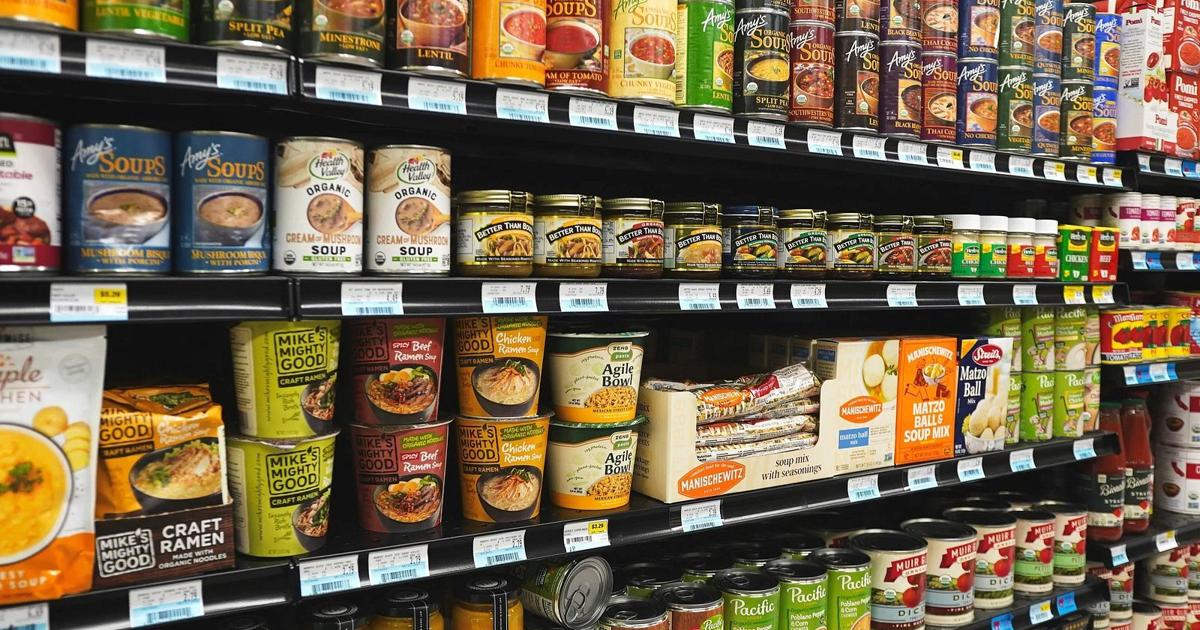
(The Center Square) – The closure of seven Save A Lot grocery stores on Chicago’s South and West sides has renewed debate over whether government subsidies can effectively address food access in underserved neighborhoods, with one free-market policy expert arguing the shutdowns highlight the limits of public intervention.
The stores, operated by Yellow Banana, closed after Save A Lot ended its operating agreement with the company, citing financial challenges that included a sharp decline in SNAP purchases.
Chicago had invested $13.5 million to renovate six of the seven locations as part of an effort to expand grocery access in neighborhoods often described as food deserts.
Nicole Huyer, a researcher with the Heritage Foundation, said the closures were “the predictable outcome of bad policy.”
“Dumping millions upon millions of dollars into these stores without addressing the root causes of grocery unaffordability, like city regulations, high taxes, even crime, without addressing those things, just dumping more money into artificially inflating these grocery stores, it’s not going to solve the problem,” Huyer told The Center Square.
Huyer said governments lack the incentives that drive private businesses to operate efficiently.
“Free markets create better outcomes for residents,” she said. “They’re better equipped to handle the intricacies of business, whether that’s supply chain management or dealing with labor. The government, on the other hand, is backed by taxpayer dollars, so they don’t really have an incentive to run these stores efficiently or cost-effectively.”
The seven Chicago stores were originally reopened with city support to improve grocery access in underserved communities. City officials have said they are seeking new operators to keep grocery service available in those neighborhoods, while existing redevelopment agreements require most locations to reopen as grocery stores within a year if they close.
Huyer argued government-backed grocery stores can also create an uneven playing field for independent retailers.
“Smaller grocery stores are already on a razor-thin margin, about 1% to 3%,” she said. “When you introduce this government competitor that might not have to pay the same costs as a private store and can offer artificially lower prices because it’s subsidized by taxpayers, you crowd out the ability for private-sector grocers to make a profit.”
She pointed to New York City’s proposal to open five city-backed grocery stores offering discounted food prices as another example of government entering the grocery business. Mayor Zohran Mamdani has proposed reducing the cost of some groceries by roughly 30%, prompting concerns from some neighborhood store owners about losing customers to subsidized competitors.
While acknowledging that isolated rural communities may require different approaches, Huyer questioned whether government-run grocery stores are the right solution in large cities.
“If we’re talking about city-owned or operated grocery stores in a big city like Chicago or New York, I have difficulty believing it’s really a food desert problem,” she said. “The first step should be addressing the root causes of why businesses aren’t locating in certain places.”
She argued that crime, taxes and regulations can discourage grocery operators from investing in particular neighborhoods.
“Rather than the city going in and having a city-owned or operated grocery store, the first step should be addressing the root causes,” Huyer said. “The government just dumping millions of dollars into a city-run public option isn’t going to really address the problem. You’re just going to waste taxpayer dollars in the process.”
Huyer also cited examples of publicly supported grocery projects in places such as Kansas City and Baldwin, Florida, as evidence that government involvement has struggled to produce lasting success.