Selling Homemade Food in Illinois: What Clinton County Cottage Food Sellers Need to Know
Illinois lets you sell many homemade foods directly to customers. Here is how registration, training and labels work under the Home-to-Market Act.
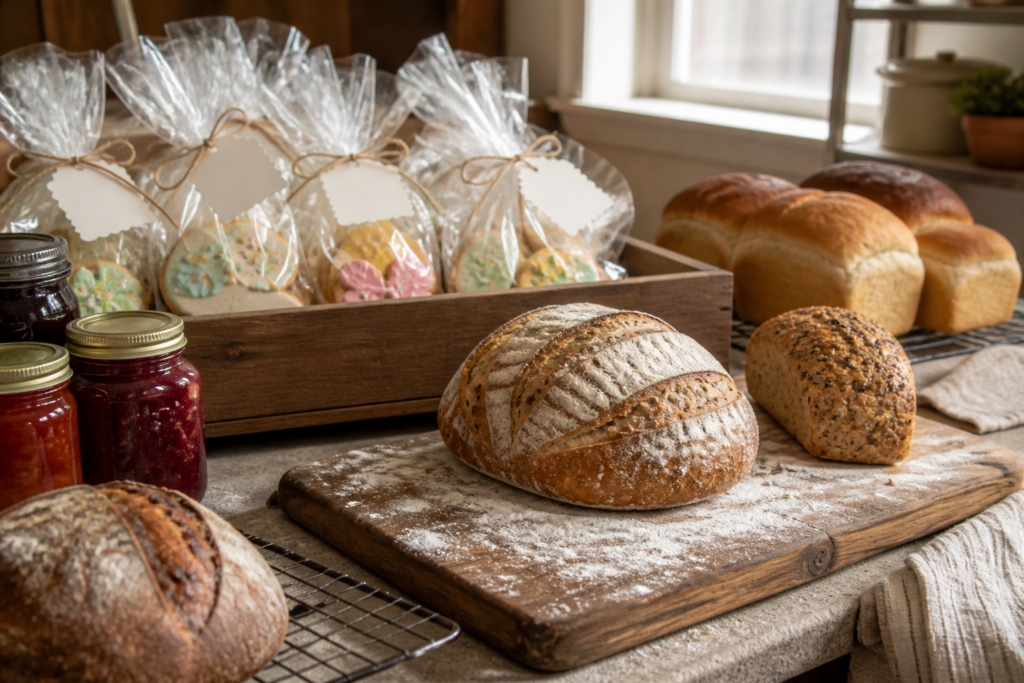
Cookies at the farmers market, bread from the kitchen table, jams at a craft fair: Illinois allows many homemade foods to be sold directly to customers through what the law calls a cottage food operation. The rules were expanded by the Home-to-Market Act, which took effect January 1, 2022.
What changed in 2022
The Home-to-Market Act lets cottage food vendors sell directly to consumers beyond farmers markets, including from home and at events, and it removed the old cap on annual sales. Sales still have to be made directly to the end customer.
Step 1: Get food safety certified
Illinois requires cottage food operators to hold a Certified Food Protection Manager (CFPM) credential. Courses are offered online and through University of Illinois Extension, and the certification lasts for five years.
Step 2: Register with the Clinton County Health Department
Every cottage food operation must register each year with the local health department where the operator lives. State law caps the registration fee at $50. In Clinton County, that is the Clinton County Health Department at 991 Franklin Street in Carlyle, (618) 594-2723. Ask for the current application and fee before you start selling.
Step 3: Label every product
Labels must include, among other things:
- the common name of the product and its ingredients;
- your registration number and the county or city where you registered;
- the date the product was made; and
- a prominent statement that the product was produced in a home kitchen not inspected by a health department that may also process common food allergens.
The Illinois Department of Public Health publishes a cottage food labeling checklist that is worth printing out.
What you can and can’t sell
Most baked goods, candies, dried mixes and many jams and jellies are allowed. Foods that need refrigeration or carry higher risk, such as meat, dairy products, cut melons and many canned low-acid foods, generally are not. Some acidified foods like salsa may be allowed with a tested recipe and extra rules, so check with the health department before you make them in quantity.
Taxes
Cottage food sales can still be subject to sales tax, depending on the product. Registering with the Illinois Department of Revenue and asking a tax professional is the safe move.
This guide is general information. Confirm current requirements with the Clinton County Health Department before you sell.
Do you sell homemade food in Clinton County? Tell us about it. We’d love to feature local bakers and makers.